

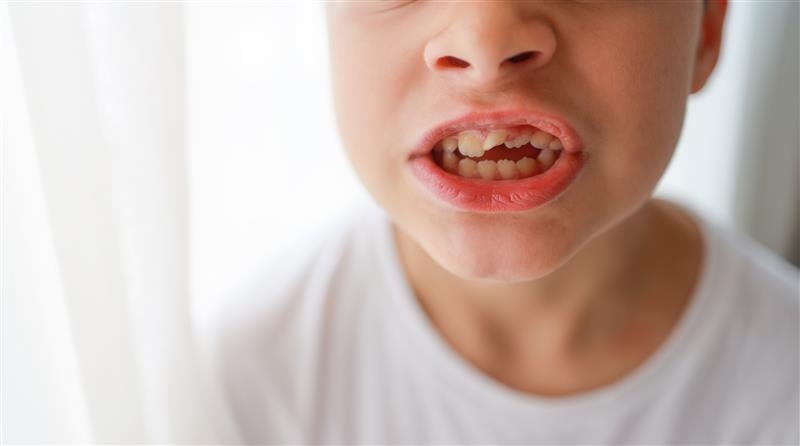
Thumbsucking is a natural and common habit among infants and young children. While it often provides comfort and security for young kids, many parents wonder about the long-term impact of thumb sucking on teeth. You may have heard of the term “thumb sucking teeth,” which refers to dental misalignments caused by prolonged or aggressive thumb sucking, typically after age 3-4. Understanding when thumbsucking is harmless—and when it may cause dental issues—can help you guide your child toward healthy oral development.
Below, we break down everything you need to know about thumb sucking teeth, including causes, effects, and practical tips for how to help your child stop sucking their thumb.
When Do Babies Start Sucking Their Thumb?
Many parents ask, when do babies start sucking their thumb? The answer may surprise you—this behavior can begin before birth. Ultrasounds have shown fetuses sucking their thumbs in the womb.
After birth, thumb and finger sucking continues as a natural reflex. Infants rely on sucking for feeding, and non-nutritive sucking (like thumbsucking) helps them self-soothe. Most children will engage in this behavior during infancy and early toddlerhood, especially when they are tired, anxious, or trying to fall asleep.
For many kids, the habit fades naturally between ages 2 and 4. However, if it continues beyond that point, it may begin to affect thumb sucking teeth alignment and oral development.
Why Do Babies Suck Their Thumb?
Understanding why babies suck their thumb can help parents respond appropriately. This behavior serves several important purposes:
- Comfort and security: Thumb sucking helps children feel safe and calm.
- Self-soothing: It’s a natural way to cope with stress, boredom, or fatigue.
- Sleep aid: Many children suck their thumb to fall asleep more easily.
- Natural reflex: Babies are born with a strong sucking instinct.
While these reasons are completely normal, prolonged habits can lead to complications involving teeth from sucking fingers, especially once permanent teeth begin to develop.
Thumb Sucking and Teeth Development
The relationship between thumb sucking and teeth becomes more important as your child grows. Occasional thumb sucking in infancy is unlikely to cause harm. However, frequent or aggressive sucking over time can affect how teeth and jaws develop.
How Thumb Sucking Can Change Teeth Alignment
Prolonged pressure from thumbsucking can lead to several dental concerns:
- Open bite: The front teeth don’t meet when the mouth is closed
- Overbite: Upper front teeth protrude outward
- Misaligned teeth: Teeth may shift out of proper position
- Narrow palate: The roof of the mouth may develop improperly
These issues are often referred to collectively as problems with thumbsuck teeth, and they may require orthodontic treatment later if not addressed early.
Teeth From Sucking Fingers: What to Watch For
Parents should monitor for early signs of teeth from sucking fingers being affected, including:
- Changes in how your child’s teeth come together
- Speech difficulties, such as lisping
- Visible movement of front teeth
- Jaw development issues
The intensity and frequency of the habit matter. Light, occasional sucking is less likely to cause harm than frequent, forceful sucking.
Finger Sucking Teeth vs. Pacifiers: Which Is Worse?
A common question is whether finger sucking teeth issues are more serious than pacifier use. Both habits can affect dental development, but thumbsucking is often harder to control because:
- You can’t “take away” a thumb like you can a pacifier
- The habit may be more constant and unconscious
- Children may rely on it longer
However, both habits can lead to similar issues with thumb sucking teeth if they persist beyond age 3–4. The key factor is duration and intensity, not necessarily the type of habit.
When Should Parents Be Concerned About “Thumbsuck Teeth?”
Most children naturally stop thumbsucking on their own. However, you should pay closer attention if:
- The habit continues past age 4
- Permanent teeth begin to erupt
- You notice changes in bite or alignment
- Your child sucks their thumb frequently or aggressively
At this stage, the risk of developing thumbsuck teeth increases significantly. Early intervention can prevent more serious orthodontic issues later.
How to Stop Thumb Sucking: Practical Tips for Parents
If you’re wondering how to stop thumb sucking, the good news is that there are many gentle and effective strategies.
Positive Reinforcement Techniques
Encouragement works better than punishment. Try:
- Praise your child for not sucking their thumb
- Use a reward chart to track progress
- Set small, achievable goals (like no thumbsucking during the day)
Positive reinforcement helps children feel empowered rather than pressured.
Identify Thumbsucking Triggers
Understanding when and why your child sucks their thumb can help you intervene:
- Is it during stress or anxiety?
- Does it happen mostly at bedtime?
- Is it a response to boredom?
Addressing the root cause can reduce reliance on the habit and protect against teeth from sucking fingers.
Offer Alternatives
Provide other comfort methods, such as:
- A favorite stuffed animal or blanket
- Relaxation techniques like deep breathing
- Quiet activities to reduce boredom
These alternatives can gradually replace the need for thumbsucking.
Use Gentle Reminders
Sometimes children don’t realize they’re sucking their thumb. Gentle reminders—without scolding—can help increase awareness.
For older children, you might consider:
- A bandage or thumb guard
- Special gloves worn at night
These tools can support efforts to stop and minimize the impact on finger sucking teeth alignment.
Long-Term Effects of Thumb Sucking Teeth Issues
If the habit persists and affects dental development, untreated thumb sucking teeth problems can lead to:
- Orthodontic treatment needs (braces or aligners)
- Speech challenges
- Jaw alignment issues
- Increased risk of dental wear or damage
The good news is that many of these issues are preventable with early guidance and intervention.
When to See a Pediatric Dentist About Thumb Sucking and Teeth
A pediatric dentist can evaluate whether your child’s habit is affecting their oral health. It’s a good idea to schedule a visit if:
- You’re concerned about thumb sucking and teeth alignment
- Your child is struggling to stop the habit
- You notice visible dental changes
Our dental professionals can provide personalized advice and, if necessary, recommend appliances designed to discourage thumb sucking safely and effectively.
Supporting Healthy Habits for Growing Smiles
Thumb sucking is a normal part of childhood, but like many habits, it’s best when it fades with time. By understanding why babies suck their thumb, recognizing early signs of thumbsuck teeth, and learning how to stop thumb sucking, parents can play a key role in protecting their child’s smile.
If you have concerns about teeth from sucking fingers or your child’s oral development, the team at Timberlane Pediatric Dentistry & Orthodontics is here to help. Early guidance can make all the difference in ensuring a healthy, confident smile for years to come. Request an appointment today or contact us to learn more about our services.